
Introduction
The miracle of pregnancy brings forth an awe-inspiring process of human life development. From conception to birth, the intricate stages of pregnancy involve profound physiological and emotional transformations for both the expectant mother and the growing fetus. In this article, we delve into the captivating journey of developing pregnancy, exploring the key stages, changes, and milestones along the way.
Conception: The Dawn of Life
Conception marks the beginning of the remarkable journey of pregnancy. It occurs when a sperm fertilizes an egg, forming a single-celled organism called a zygote. This tiny zygote carries the genetic blueprint of the future human being. Over the next few days, the zygote undergoes rapid cell division, forming a blastocyst that eventually implants itself into the uterine lining.
Embryonic Development: A Symphony of Growth
The second stage of pregnancy, known as embryonic development, commences after implantation. During this period, the blastocyst develops into a complex structure consisting of three germ layers: ectoderm, mesoderm, and endoderm. These layers give rise to various organs and tissues, setting the foundation for the fetus’s future growth.
Within weeks, the embryonic heart starts beating, signaling the beginning of the circulatory system. The neural tube forms, serving as the basis for the central nervous system. Limb buds sprout and develop into tiny arms and legs, while facial features take shape. By the end of the embryonic stage, major organs and body systems have begun to form, and the embryo transitions into a fetus.
Fetal Development: The Marvel of Growth
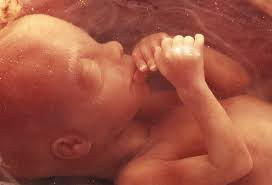
The fetal stage is characterized by rapid growth and refinement of the structures established during embryonic development. Over the course of several months, the fetus evolves from a tiny, delicate being to a fully formed baby. During this period, the fetus gains size and weight, with the mother starting to feel distinct movements as the baby develops muscles and bones.
Sensory organs, such as the eyes and ears, mature, enabling the fetus to respond to external stimuli. The nervous system continues to develop, fostering increased coordination and the ability to perceive the surrounding environment. By the end of the pregnancy, the fetus is typically positioned for birth, ready to embark on a new journey outside the womb.
As the fetus nears the end of pregnancy, signs of miscarriage are extremely rare, making them almost impossible to occur at this stage.
Conclusion
The journey of developing pregnancy is an extraordinary feat of nature. From the miraculous moment of conception to the intricacies of embryonic and fetal development, the process exemplifies the wonders of life. Throughout the stages, the expectant mother plays a vital role as she nurtures and supports the growth of her child. The journey is not without challenges and adjustments, but the ultimate reward of bringing a new life into the world is immeasurable. As we marvel at the intricacies of pregnancy, let us appreciate the profound beauty and complexity of this transformative process, reminding us of the endless miracles unfolding within the human body.