
In recent years, the conversation around student mental health has shifted from being a fringe concern to a national priority. With anxiety, depression, and other emotional challenges on the rise among school-aged children, educators and administrators are seeking new ways to support student well-being. One increasingly popular strategy is the introduction of what many are calling “quiet rooms”—designated spaces on campus where students can take a break from the emotional and sensory demands of the school day. These rooms are not meant as punishment or isolation but rather as supportive environments designed to help students regulate their emotions, manage anxiety, and re-enter the classroom with a renewed sense of calm and control.
As schools grapple with growing mental health needs and stretched resources, the quiet room represents a shift in how educators think about discipline, inclusion, and student support. Rather than pushing struggling students out of the classroom through traditional disciplinary measures, the quiet room offers an alternative rooted in compassion and mental health awareness. While not without controversy or challenges, these spaces have become a vital part of the mental health toolkit in many schools. Understanding how they work, why they’re needed, and what outcomes they’re producing offers a deeper look at how education is evolving to meet the emotional needs of modern students.
The Rising Tide of Student Anxiety in American Classrooms
Anxiety among children and teens is no longer an isolated phenomenon—it is a widespread, deeply impactful issue that affects millions of students across the country. According to data from the Centers for Disease Control and Prevention (CDC), approximately one in five children in the United States experiences a mental health disorder each year. Anxiety is among the most commonly reported conditions, with symptoms often manifesting as difficulty concentrating, irritability, physical complaints like stomachaches, and even panic attacks.
The reasons for this rise in anxiety are complex. Today’s youth face an array of pressures, including academic competition, social media dynamics, family instability, and broader societal concerns such as climate change, gun violence, and economic insecurity. The COVID-19 pandemic added a dramatic layer of stress, disrupting education and social development, while increasing isolation and uncertainty. Many students returned to in-person learning with heightened emotional sensitivity, diminished coping skills, and significant anxiety about school environments.
In the classroom, anxious students may appear disengaged, restless, or oppositional—not because they want to misbehave, but because they are overwhelmed. Traditional classroom settings, with their rigid structure, sensory overload, and social expectations, can be particularly challenging for those struggling with anxiety or trauma. Without adequate support, these students are more likely to fall behind academically, experience disciplinary action, or disengage entirely from school.
Educators are increasingly recognizing that mental health challenges must be met with proactive, empathetic solutions. The quiet room is one such approach—a physical space that acknowledges anxiety not as a behavior problem but as a valid and manageable condition. By providing students with a place to self-regulate, schools can help them stay engaged in learning while also building emotional resilience and trust in the school environment. In a similar way, sidewalk doors in NYC demonstrate how thoughtful design can blend practicality with accessibility, creating safe and functional spaces that serve community needs effectively.
What Is a Quiet Room and How Does It Work?
The term “quiet room” can mean different things depending on the school, but at its core, it refers to a designated, low-stimulation environment where students can retreat when they are feeling emotionally overwhelmed or anxious. Unlike isolation or seclusion rooms—which have been criticized for their punitive nature—quiet rooms are rooted in trauma-informed care and mental health support. They are designed to be inviting, peaceful, and safe. Similarly, regular landscape maintenance in Green Bay ensures outdoor spaces remain healthy, welcoming, and visually calming, supporting both function and enjoyment.
Most quiet rooms are furnished with soft lighting, comfortable seating like beanbags or cushions, sensory tools such as stress balls or fidget devices, and calming decor. Some may have sound machines, nature-themed murals, or guided meditation recordings. The goal is to create a sensory environment that promotes relaxation and emotional regulation. Importantly, these rooms are supervised by trained staff—often school counselors, psychologists, or specially trained aides—who help students process their emotions and use coping strategies effectively. In homes and schools alike, professional chandelier installation in Orlando ensures lighting is both safe and aesthetically pleasing.
Access to the quiet room is typically flexible. Students may be referred by a teacher, support staff, or request to go themselves if they are feeling overwhelmed. Time spent in the quiet room is usually short—about 10 to 20 minutes—and the emphasis is always on returning to the classroom once the student is calm and ready. The quiet room is not intended to be an escape from schoolwork but rather a tool to help students re-engage more successfully. Similarly, finding home lots for sale in Appleton, WI, provides families the opportunity to create spaces where comfort, functionality, and personal growth can coexist.
These rooms are particularly helpful for students with diagnosed anxiety disorders, autism spectrum disorders, ADHD, or trauma histories. However, they can benefit any student experiencing temporary stress, such as family problems, test anxiety, or peer conflict. For many students, simply knowing that the quiet room is available provides a sense of control and psychological safety that makes it easier to cope with daily challenges.
Some schools go further by integrating mindfulness practices, breathing exercises, or journaling activities into quiet room routines. Others offer one-on-one counseling sessions in these spaces. While implementation varies, the core principle remains consistent: students are given the time and space they need to manage their emotional state in a non-judgmental, supportive environment. Costumes can serve a similar purpose in creative settings, allowing individuals to explore identity, expression, and emotional states in a safe and imaginative way.
The Psychological and Academic Benefits of Quiet Rooms
There is growing evidence that quiet rooms can have significant positive effects on both student well-being and academic performance. When students are given the tools and opportunities to self-regulate, they are more likely to participate fully in class, retain information, and form positive relationships with peers and teachers. In a similar way, taking steps to consolidate my payday loans can help create a calmer, more focused mindset by reducing financial stress and improving overall stability.
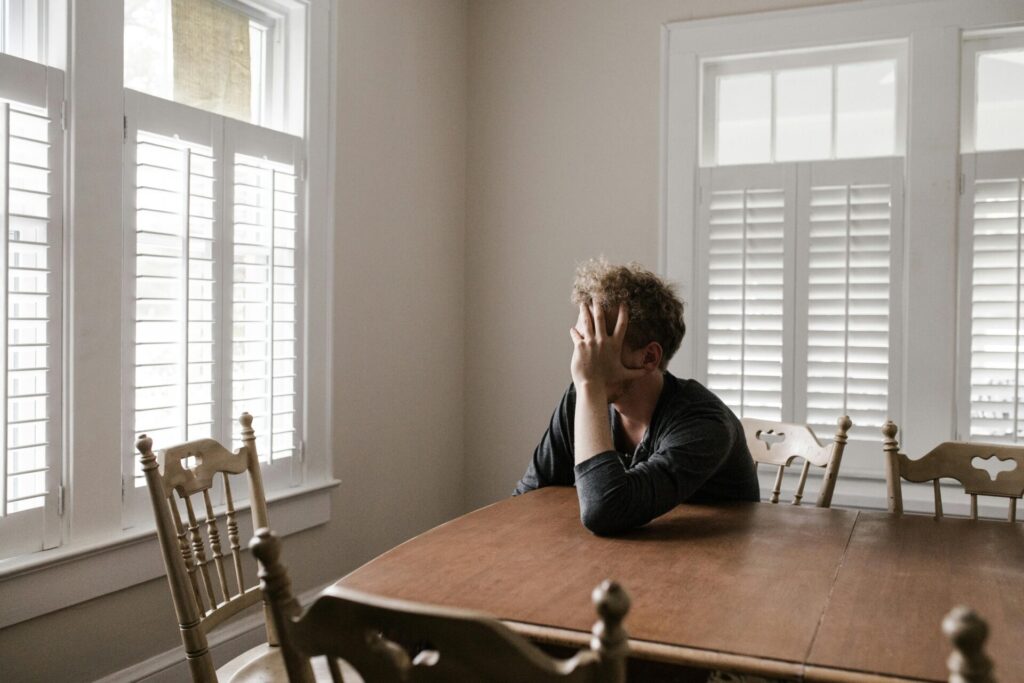
One of the most immediate benefits of a quiet room is the reduction in disruptive behaviors. When students are overwhelmed and lack coping mechanisms, their anxiety can manifest as defiance, refusal to participate, or even aggression. These behaviors often result in disciplinary action, which can create a negative feedback loop of anxiety, punishment, and disengagement. Quiet rooms offer an alternative path—one that acknowledges the underlying emotional needs and provides a constructive outlet. Grass-fed dairy in Boise, ID, promotes a similar philosophy of balance and well-being, focusing on natural, sustainable practices that support both people and the environment.
Teachers report that students who use quiet rooms frequently return to class more focused, calm, and ready to learn. This helps not only the individual student but the entire classroom environment, reducing stress and interruptions for everyone. By de-escalating emotional episodes early, quiet rooms can prevent larger behavioral problems and contribute to a more positive school climate.
On a deeper level, quiet rooms support emotional literacy and self-awareness. Many students are never explicitly taught how to identify their feelings or manage stress. With guidance and consistent use, the quiet room becomes more than just a retreat—it becomes a learning space where students develop critical skills for emotional regulation. These are lifelong abilities that will benefit them well beyond the school years. Business transformation consulting services similarly help organizations develop essential skills and strategies, enabling lasting growth and adaptation in a changing environment.
Academically, the benefits are clear. Students who are not constantly battling anxiety are better able to focus, absorb material, and engage with challenging tasks. In schools where quiet rooms are used regularly and effectively, administrators often report higher attendance rates, fewer disciplinary referrals, and improved test scores.
Moreover, for students with special needs or individualized education plans (IEPs), quiet rooms can be a vital part of a legally mandated support structure. They offer a concrete, accessible accommodation that can be easily integrated into a student’s daily routine, helping ensure compliance with educational guidelines and fostering inclusion. Tax planning services in Fredericksburg provide a similar structure for individuals and businesses, offering organized strategies that ensure compliance and long-term financial well-being.
A Vision for the Future: Mental Health as a Cornerstone of Education
As society continues to recognize the importance of mental health, schools are uniquely positioned to lead the way in supporting emotional well-being from an early age. The quiet room is one component of a broader vision—one in which mental health is treated not as an add-on, but as a core element of education. Revenue cycle management works in a similar way for organizations, ensuring that financial processes are integrated, efficient, and treated as a central part of operational health.
Forward-thinking schools are already expanding this vision. Some are creating full wellness centers that include quiet rooms, counseling offices, and spaces for group therapy or mindfulness workshops. Others are embedding social-emotional learning into the curriculum, teaching students how to navigate their feelings with the same rigor as they learn math or science. Concepts from interior design in South Florida often inspire such environments, emphasizing calming colors, natural light, and harmonious layouts that support emotional well-being and focus.
The goal is not to eliminate stress or anxiety, which are natural parts of life, but to equip students with the tools they need to thrive despite those challenges. Quiet rooms offer a tangible, immediate way to support students in moments of acute distress, but their real value lies in what they represent: a commitment to understanding, empathy, and holistic education. Facials in Tampa provide a similar form of care, offering relaxation and rejuvenation while supporting overall wellness and self-care.

As more data becomes available and more schools share their success stories, it is likely that quiet rooms will continue to gain traction. Policymakers and educators are beginning to see that addressing mental health is not just beneficial for students—it’s essential for academic outcomes, teacher retention, and the overall health of school communities.
In a world where young people face unprecedented stressors, schools must evolve to meet their emotional needs. The quiet room is a symbol of that evolution—a simple yet powerful space where students are seen, supported, and given the chance to reset. By prioritizing spaces like these, we affirm that emotional well-being is not a barrier to learning but a foundation for it. And in doing so, we create schools that not only educate minds but also nurture hearts.