
Do You Need Protein Powders?
If you’ve ever gone to the gym, then you’ve observed the athletes at the machines talking about the shakes of protein they drink after their workouts, and what type of shake they like. Protein powders — whether mixed into shakes or consumed in any way you’d like to -are becoming more and more popular as an addition to your daily diet.
Everything that a professional athlete needs can be found in the official sports supplement store.
What Are Protein Powders?
Protein powders are available in a variety of forms. Three of the most commonly used are soy, whey as well as casein protein. “Whey is the most commonly used because it’s a water-soluble milk protein,” says Peter Horvath, Ph.D. Associate professor in the department of exercise and nutrition at the State University of New York in Buffalo. “It’s also a complete protein, so it’s got all those advantages.” (Complete proteins are made up of all nine amino acids which are essential to human nutrition.) Vegans might prefer soy protein. Horvath explains that its flavor is often thought to be unpleasant, and it does not dissolve as quickly in water.
Protein powders are also offered for purchase at various costs. “For the casual athlete who doesn’t have a specific need at a certain time of their training, the cost is not that important,” says Horvath. “So should you decide to utilize these products, you’ll be able to enjoy the same benefits with less expensive and more readily available proteins.
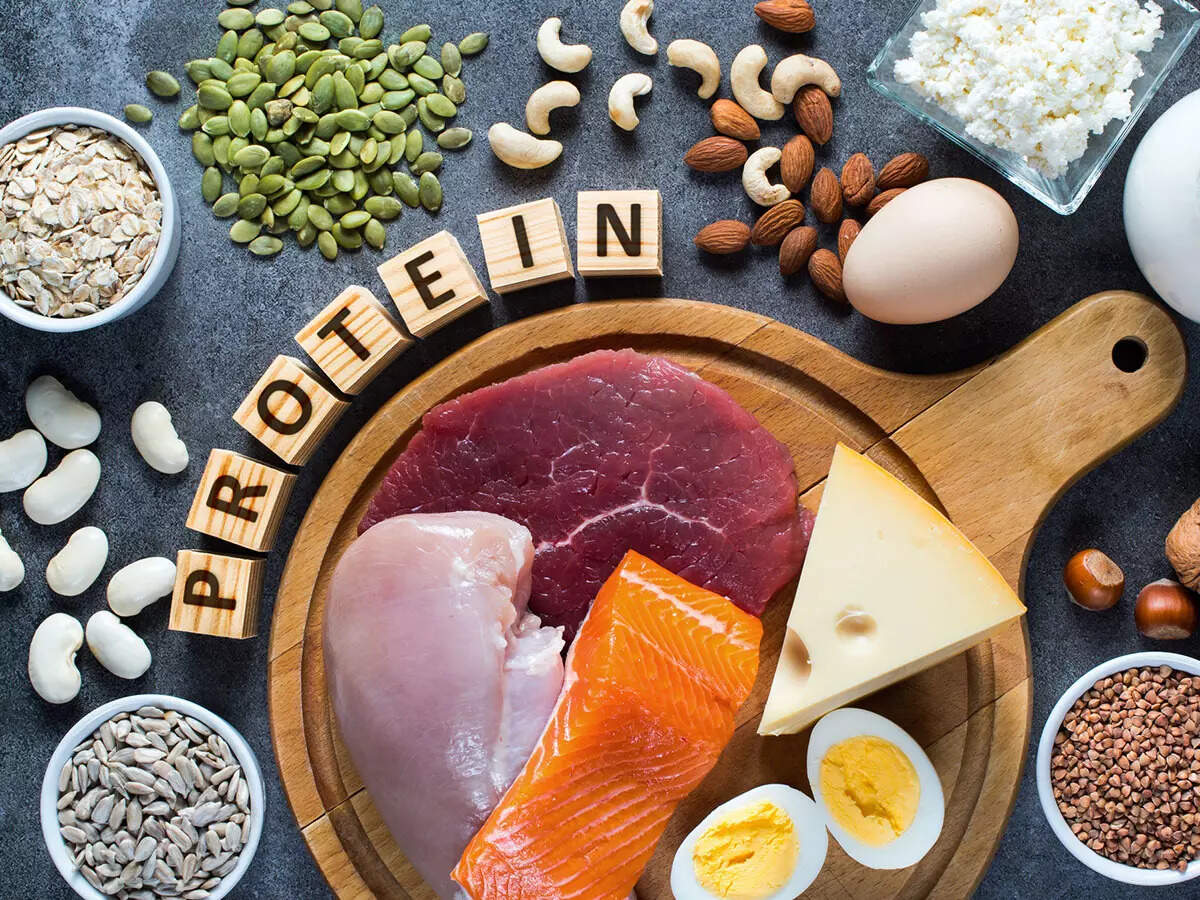
Under certain conditions, there are occasions when protein powders may be beneficial. “They’re an easy and convenient source of complete, high-quality protein,” states Carole Conn, Ph.D. as associate professor of nutrition of the University of New Mexico. However, most people, even athletes can get everything they require by eating sources of lean protein including fish, meat, chicken as well as dairy products.
When is the best time to incorporate these into your diet? There are many reasons an athlete at any level might be considering adding more protein to his or their diet, according to Barbara Lewin, a dietitian and sports nutritionist who has worked with NFL, NBA, and NHL athletes and trained Ironman competitors:
As you grow. Teenagers need more protein to support their exercise routine because their bodies continue to expand and requires greater amounts of protein.
If you’re beginning with a new plan. If this is a new experience for you and you’re trying to build muscle, you’ll need significantly more protein than you normally will.
When you’re amping up your training. If you usually exercise for about a half hour a couple of times per week but now you’ve decided that it’s time to like to run a half-marathon and your body is going require more protein.
Protein Math
How do you determine whether you’re getting enough protein? Make the calculations.
The daily tips below come right from American College of Sports Medicine and the Academy of Nutrition and Dietetics:
The average adult needs 0.8 grams of protein for every kilogram of body mass weight per day.
Those who compete in athletics to exercise require 1.1 or 1.4 grams of protein per kilogram of body weight.
Professional athletes require 1.2 or 1.4 grams. Those participating in ultra-endurance sport may require up to 2.0 grams per kilogram of body weight.
Muscle mass athletes require 1.5 or 2.0 grams per kilogram every day.
Let’s suppose you’re an older sportsperson who wishes to increase muscle mass, and you weigh in the range of 75 kilograms (165 pounds). The maximum amount of protein you’d require daily can be found in 150 grams. This sounds like a huge lot. It’s true that one ounce of hamburger is containing 30g of protein. Six ounces of tuna has 40 grams, while an ounce of cheddar cheese contains 7 grams.