
In today’s world, fashion isn’t just about trends or seasonal must-haves; it’s increasingly becoming a tool for self-expression, sustainability, and ethical alignment. Dressing with purpose is about curating a wardrobe that reflects who you are at your core and respects your beliefs, whether those revolve around sustainability, ethical production, or simplicity. When you build a wardrobe aligned with your values, you shift away from the disposable nature of fast fashion and create a personal style that feels authentic, intentional, and fulfilling. This process not only refines your style but also contributes positively to the world. Here’s how to start dressing with purpose and building a wardrobe that speaks to your values.
Define Your Values and Principles
Before you can begin transforming your wardrobe, it’s essential to understand what values matter most to you. For some, it may be a commitment to sustainability and reducing environmental impact. Others may prioritize ethical production practices, focusing on fair wages and safe working conditions for garment workers. Some people may simply want a minimalist wardrobe, valuing simplicity and a clutter-free life. Whatever your guiding principles, defining them clearly is a crucial first step toward a wardrobe that resonates with who you are. You may even find meaning in supporting veteran owned apparel, knowing your choices reflect dedication to both quality and purpose.
When you have clarity on what you stand for, it becomes much easier to make decisions. For instance, if sustainability is your priority, you may focus on natural, organic, or recycled materials that reduce waste. If fair labor practices are essential to you, you might research companies that guarantee fair wages and safe conditions for their workers. Minimalism could lead you to seek timeless pieces, investing in quality over quantity. Having these values as a foundation will allow you to make thoughtful decisions when purchasing items for your wardrobe.
Once your values are clear, you can translate them into specific wardrobe goals. For example, a sustainability-focused wardrobe goal might be to reduce new purchases and seek secondhand or thrifted clothing. An ethical fashion goal could include supporting small, local brands known for fair labor practices. These goals don’t need to be restrictive; instead, they act as guiding principles that help you navigate the often overwhelming world of fashion. The result? A wardrobe that isn’t just stylish but also deeply meaningful. For those looking to enhance their business strategies, consider the benefits of IT consulting in San Antonio.
Educate Yourself on Ethical and Sustainable Fashion
The journey to a value-aligned wardrobe involves learning about ethical and sustainable fashion practices. Education empowers you to make informed decisions, helping you separate greenwashing from genuinely responsible brands. Greenwashing occurs when companies make false or exaggerated claims about their environmental efforts, leading consumers to believe they are more sustainable than they actually are. To avoid falling into this trap, familiarize yourself with terms like “organic,” “recycled,” “fair trade,” and “carbon neutral,” as these can provide insight into a brand’s genuine commitment.
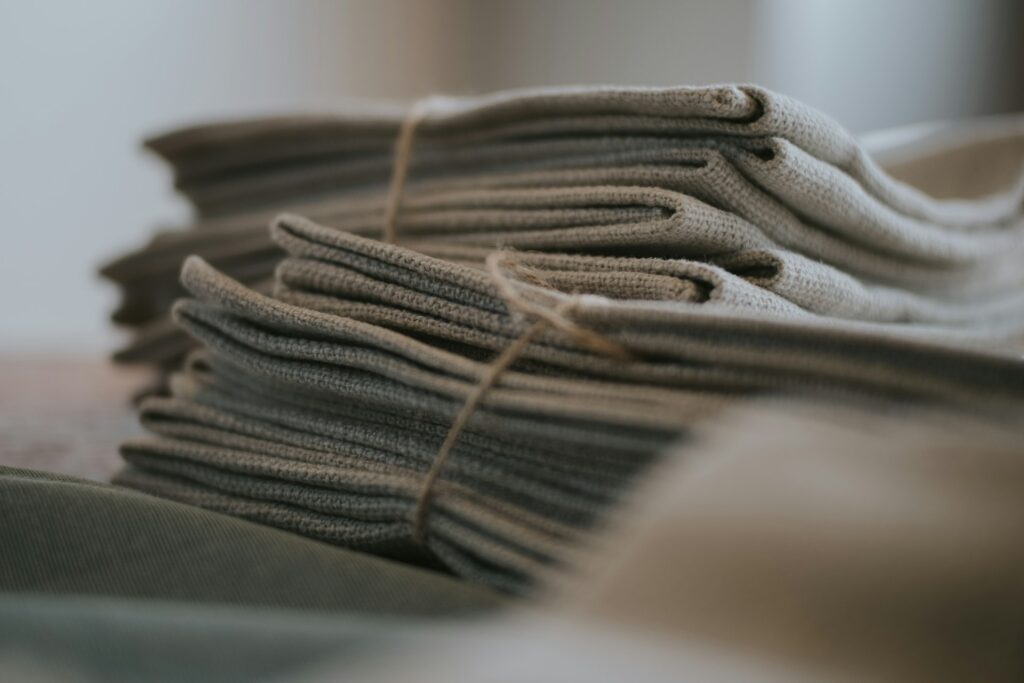
Understanding the different aspects of sustainable fashion will also help guide your choices. For example, sustainable materials are made from resources that don’t deplete the environment. Organic cotton, hemp, and Tencel are popular choices due to their lower environmental impact compared to conventional materials. Additionally, ethical fashion encompasses fair wages, humane treatment of workers, and safe working environments. Brands that disclose where and how their clothes are made are generally more trustworthy in terms of ethical practices. A reading comprehension program can further enhance your understanding of these sustainable and ethical principles.
Explore certifications and organizations that verify sustainable practices. Fair Trade Certified, Global Organic Textile Standard (GOTS), and OEKO-TEX are some of the labels that indicate a higher standard of environmental and social responsibility. Understanding these certifications can make shopping less confusing and help you align your purchases with your values. Reading up on brand initiatives and checking for third-party certifications on their websites is an excellent way to gauge their level of commitment to sustainability and ethics.
Learning about sustainable fashion also includes understanding the lifecycle of your clothes. Fast fashion, with its rapid turnover and inexpensive garments, has contributed significantly to waste and pollution. Embracing a slower fashion model—one where you invest in pieces that last longer—reduces the demand for disposable items and, in turn, decreases waste. By educating yourself on sustainable practices, you not only refine your wardrobe choices but also become an advocate for a better fashion industry.
Adopt a “Less Is More” Mindset
One of the most powerful shifts in building a wardrobe aligned with your values is the adoption of a “less is more” mentality. Consumerism encourages constant buying and updating of our wardrobes, leading to overflowing closets full of items we rarely wear. But dressing with purpose means moving away from mindless accumulation and focusing instead on quality over quantity. With a “less is more” mindset, each piece in your wardrobe holds significance, reflecting careful thought rather than fleeting impulse. For those looking to make mindful investments in their space, commercial electrical services Fort Walton Beach can help create an environment that aligns with your values.
A practical way to adopt this mindset is to start with curated essentials that form the foundation of your wardrobe. Rather than purchasing trendy pieces that may quickly feel outdated, invest in timeless classics that can be worn year-round and styled in multiple ways. These essentials might include a well-fitting pair of jeans, a classic white shirt, a blazer, and a versatile dress. By choosing high-quality items that you love, you’ll find that you need fewer pieces to feel stylish and put-together.
Additionally, versatility becomes a crucial factor in a minimalist wardrobe. Pieces that can be worn across different settings, seasons, and styles offer more value than items with limited uses. A versatile wardrobe doesn’t necessarily mean a small one, but it does mean each piece is thoughtfully chosen to complement your other clothing. This approach not only saves money in the long run but also reduces decision fatigue, making it easier to get dressed each day. For ultimate relaxation and well-being, you might also consider visiting some of the best massage therapists Las Vegas has to offer.
A “less is more” wardrobe is a deliberate choice that aligns with sustainability. When you’re no longer buying in excess, you’re reducing your fashion footprint, limiting the demand for new clothing production, and contributing less to waste. For instance, investing in versatile pieces like men’s training shorts can help you create a functional wardrobe that serves multiple purposes. The wardrobe you create will not only reflect your style but will also uphold your values of intentionality, environmental consciousness, and simplicity.
Prioritize Quality and Longevity
Quality and longevity are two of the most critical factors in building a wardrobe that aligns with values like sustainability and minimalism. When you prioritize quality over quantity, you’re investing in pieces that will stand the test of time rather than disposable items. This approach may require a higher upfront cost, but it’s ultimately a more economical and sustainable choice. High-quality clothing tends to maintain its shape, color, and texture even after numerous washes, meaning you won’t need to replace it as frequently. If you’re also looking to invest wisely in other areas of life, we buy RVs, offering a great opportunity for a new adventure.
Quality items are typically made with better craftsmanship and materials, so they’re less likely to rip, fade, or deteriorate quickly. Look for natural fibers like wool, cotton, silk, and linen that are not only more durable but also tend to be more environmentally friendly compared to synthetic fibers like polyester. Well-made garments often feature double-stitched seams, reinforced hems, and thoughtful details that enhance both the look and lifespan of the clothing. By choosing durable materials and well-constructed pieces, you’re investing in a wardrobe that will stay with you for years, not just seasons.
Another way to enhance the longevity of your wardrobe is through proper care and maintenance. Caring for your clothes—washing them less frequently, avoiding the dryer, and storing them properly—can dramatically extend their lifespan. Learning how to repair items rather than discarding them at the first sign of wear can save you money and reduce waste. Basic skills like sewing on a button, patching a small hole, or hemming pants are valuable for anyone looking to build a sustainable wardrobe. Additionally, if you’re planning your estate, consider exploring trust administration California for expert guidance in managing your assets.
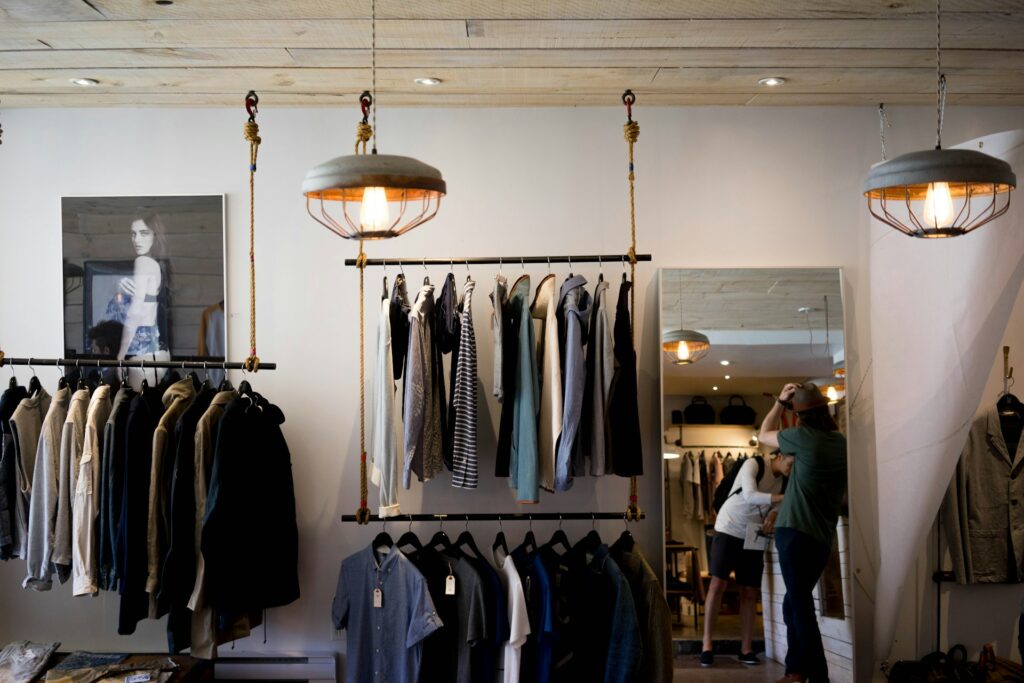
When you shift your mindset to one that values longevity, your wardrobe evolves from being a collection of disposable pieces to a curated selection of meaningful items. You begin to see each item as an investment in both your personal style and the environment. By choosing quality over quantity, you’re not only creating a more sustainable wardrobe but also embracing a philosophy that respects resources, craftsmanship, and the planet. For those looking to build a lasting online presence, partnering with a Shopify Plus agency can help you create a seamless and scalable e-commerce experience.
Seek Out Secondhand and Vintage Pieces
One of the most sustainable approaches to building a value-aligned wardrobe is by embracing secondhand and vintage shopping. These options allow you to add unique, high-quality items to your wardrobe while minimizing your environmental impact. Secondhand shopping gives clothing a second life, reducing the demand for new production and helping to combat the cycle of waste associated with fast fashion. Moreover, it’s a fantastic way to find rare, distinctive pieces that make your style stand out. Additionally, for businesses seeking strategic growth or advice, m&a business advisors offer invaluable insights and expertise to navigate the complexities of mergers and acquisitions.
The growing popularity of thrift stores, vintage shops, and online resale platforms has made secondhand shopping more accessible than ever. Platforms like Depop, Poshmark, and The RealReal offer a wide range of secondhand clothing from popular and high-end brands. By purchasing secondhand, you’re not only reducing waste but also often supporting small businesses and individuals. Many vintage items were made with quality materials and craftsmanship that can still last decades, giving you high-quality clothing without the environmental cost of new production.
Shopping secondhand requires patience and a bit of creativity. Unlike buying new, where sizes and styles are consistent and readily available, thrift shopping is about exploring different styles and experimenting. This process can be incredibly rewarding, as it allows you to discover hidden gems that would be difficult to find elsewhere. Additionally, secondhand pieces are usually more affordable, making it easier to build a wardrobe that aligns with your values without stretching your budget. You can even find high-quality designer clothes at a fraction of the cost, making it a smart choice for those who love fashion.
The beauty of incorporating vintage and secondhand items into your wardrobe is that each piece has its own history. These items add character to your style and can become conversation starters. In a world where clothing often feels disposable, vintage and secondhand pieces add a sense of uniqueness and authenticity to your wardrobe. By choosing pre-loved clothing, you’re making a conscious choice to dress in a way that supports sustainability, individuality, and a more circular fashion economy.
Embrace Slow Fashion Brands
In recent years, the slow fashion movement has gained momentum, offering a refreshing alternative to the fast-paced world of disposable fashion. Slow fashion brands prioritize ethical production, quality materials, and sustainability, aligning perfectly with the values of anyone seeking a purpose-driven wardrobe. These brands focus on producing fewer pieces with more care, encouraging consumers to buy less and appreciate more. When you buy from a slow fashion brand, you’re investing in companies that value the planet, their workers, and their customers. Additionally, if you’re looking for a way to enhance your home with style, consider exploring blinds and screens Colorado for quality and aesthetic appeal.
Many slow fashion brands are committed to transparency, providing information about their sourcing, manufacturing, and environmental impact. Everlane, for example, is known for its radical transparency, detailing the costs of materials, labor, and transport for each item. Other brands, like Patagonia and People Tree, emphasize ethical labor practices, sustainable materials, and durability. By supporting these brands, you’re voting with your wallet, encouraging the fashion industry to adopt more responsible practices.
Supporting slow fashion also allows you to build a deeper connection with your clothing. Unlike fast fashion, where trends and designs are rapidly discarded, slow fashion promotes timeless styles and quality fabrics that encourage a long-term relationship with each item. As you add pieces from slow fashion brands to your wardrobe, you’ll find that your clothing becomes more meaningful, reflecting the care and thought that went into its creation. This thoughtful approach can even resonate with the delicate nature of micro harmonics, enhancing the beauty of your wardrobe in subtle yet profound ways.
The transition to slow fashion may take time and may require a different shopping mindset, but the rewards are significant. With slow fashion, you’re no longer chasing trends but instead investing in clothing that reflects your values. You’ll find that a slow fashion wardrobe is one that feels more cohesive, timeless, and intentional. Every purchase you make from a slow fashion brand is a step toward a more ethical, sustainable, and value-aligned wardrobe. For those seeking top-tier medical care, general surgery in Texas offers outstanding services for a variety of health needs.
Practice Mindful Shopping
Mindful shopping is at the heart of a wardrobe that aligns with your values. It’s about being intentional with each purchase, considering not only how it fits into your wardrobe but also how it aligns with your personal principles. Mindful shopping involves slowing down, researching, and making thoughtful choices rather than succumbing to impulse buys or trend-driven decisions. By practicing mindfulness in shopping, you’re creating a wardrobe that’s both practical and purposeful. Just as mindful choices in shopping can enhance your lifestyle, ensuring proper care, such as solar panel maintenance in Hillsborough, contributes to a sustainable future.
When shopping mindfully, start by asking yourself a few questions: Do I really need this item? Will I wear it often? Does it match with other pieces I already own? These questions help you clarify whether a piece is worth investing in. Mindful shopping encourages you to focus on items that serve a purpose in your wardrobe, rather than buying for novelty or fleeting excitement. This not only reduces clutter but also saves money in the long term.
Another critical aspect of mindful shopping is researching brands before you buy. Learning about their values, manufacturing practices, and sustainability efforts can help you decide if they align with your own beliefs. When you take the time to investigate a brand, you’re investing in a relationship with your clothing that goes beyond aesthetics. Mindful shopping may take extra effort initially, but the satisfaction of building a wardrobe that feels both stylish and value-driven is well worth it. For those seeking holistic well-being, combining mindful shopping with self-care routines, such as physical therapy Austin, can enhance both your body and mind.
In the end, mindful shopping is a commitment to quality, purpose, and integrity in your wardrobe choices. By embracing this approach, you’ll find that each piece in your closet feels meaningful, representing not only your personal style but also the values you hold dear.