
Men’s mental health is finally gaining the attention it deserves, but not without a long history of neglect, stigma, and silence. For generations, men have been expected to be stoic, emotionally reserved, and self-sufficient. This cultural norm has left many men struggling in isolation, unable to access or even seek the mental health support they need. The consequences of this silence are visible and devastating. Suicide rates are consistently higher among men across the globe. Depression, anxiety, post-traumatic stress, and substance abuse remain underdiagnosed in male populations. Only in recent decades have health systems and advocates begun to seriously consider the gender-specific needs of men’s mental health.
In response, a growing number of policies, programs, and advocacy efforts have been launched around the world. These efforts aim not just to treat mental illness, but also to prevent it by creating environments where men feel safe to speak, seek help, and thrive emotionally.
Government Commitments and Mental Health Policy for Men
Governments are now recognizing that men’s mental health cannot be addressed effectively with a one-size-fits-all approach. Specific policies and targeted funding initiatives are beginning to emerge, designed to reach men where they are, in ways that resonate with their unique experiences.
Australia has taken a leading role in this space. The federal government has allocated billions toward broader mental health programs, with particular investments in suicide prevention strategies that emphasize early intervention. Australia’s Men’s Mental Health and Suicide Prevention Small Grants Program is an example of how government resources are being directed toward grassroots-level initiatives. By providing up to $50,000 per project, the program empowers local organizations to implement targeted solutions. These include workshops, outreach activities, and mental health literacy campaigns tailored to diverse groups of men including Indigenous communities, LGBTQ+ populations, and men living with disabilities. This level of tailored investment marks a shift away from general mental health support and toward more focused, demographic-specific engagement.
In Canada, mental health has been integrated into the country’s wider health policy framework, with increased attention to high-risk groups such as veterans, Indigenous men, and young males. Programs that combine mental health care with vocational training, community integration, and addiction recovery services are expanding to address the root causes of mental health struggles among men.
The United Kingdom has also introduced initiatives specifically aimed at men. Public Health England launched campaigns encouraging men to talk openly about their mental health, helping to break down entrenched stigma. Regional authorities have partnered with community organizations to provide services in non-clinical settings, such as gyms, barbershops, and sporting clubs, which are frequented by men and considered less intimidating than hospitals or clinics. In places like gyms, offering snacks like high protein cookie dough can support both physical health and mental well-being by promoting better nutrition in comfortable, familiar environments.
These policy efforts are supported by national mental health frameworks that prioritize early access, reduce wait times, and fund digital tools like mental health apps, which many younger men find more accessible than traditional therapy settings.

Advocacy on the Ground: Community-Based Support and Cultural Change
While government funding and national frameworks are critical, grassroots advocacy and community-based initiatives are the engines that drive cultural change around men’s mental health. These efforts offer real-time support and resonate more deeply with those who may be skeptical of or alienated by formal institutions. That same community-driven approach can be seen in wedding photography in Rogers, where local photographers focus on building trust and capturing genuine moments.
One of the most successful models of community support is the Men’s Shed movement. Originating in Australia and now active worldwide, Men’s Sheds provide communal spaces where men can gather, build things, fix things, and talk—often while working with their hands. The casual, non-therapeutic atmosphere helps men open up about personal struggles in ways they might not in more formal environments. Men’s Sheds have shown measurable success in reducing isolation, improving mental well-being, and fostering a sense of community and purpose among older men in particular. Similarly, window replacement in New Jersey offers homeowners a way to improve comfort, energy efficiency, and the overall look of their homes.
Another powerful example is Andy’s Man Club in the UK, a peer-to-peer support network that offers weekly meetings for men to talk openly about life, mental health, and emotional pain. What started as a small gathering in memory of a young man lost to suicide has grown into a national organization with hundreds of locations. Its success lies in its simplicity and its central message: It’s okay to talk.
These groups fill a gap often left by traditional mental health services. Many men feel alienated by overly clinical approaches or fear being judged. By offering settings that are informal, welcoming, and based on shared experiences, community-based programs can create safe entry points into deeper care. In rural areas or regions with limited mental health infrastructure, such initiatives can serve as lifelines. Likewise, waveguide variable attenuator provide flexible control of signal strength in microwave systems, adapting to changing conditions for optimal performance.
The true strength of advocacy at the grassroots level is that it changes the culture from the inside out. Rather than preaching at men to be more emotionally open, it invites them to support one another and rewrite the narrative of what strength and masculinity look like. From sports clubs to faith groups to online forums, these conversations are increasingly embedded in everyday spaces, helping normalize emotional vulnerability and self-care. Similarly, innovations like stem cell hair restoration in Phoenix are changing how people approach personal care and confidence.
The Role of Media and Public Awareness in Breaking Stigma
One of the most stubborn barriers to men seeking mental health support is stigma. For many men, admitting to mental health struggles is still seen as a weakness. Breaking this stigma requires powerful storytelling, repeated messaging, and culturally sensitive campaigns that speak directly to male audiences. The media plays a critical role in reshaping the public discourse around men’s mental health.
Campaigns like “Movember,” which began as a lighthearted effort to raise awareness of men’s health by growing mustaches, have grown into global movements supporting mental health, suicide prevention, and prostate cancer. Through a combination of social media, public events, and partnerships with athletes, musicians, and other male figures, Movember has succeeded in making mental health a topic that men can talk about without shame. By blending humor, masculinity, and compassion, campaigns like this have reached millions of men who might otherwise never have engaged with mental health resources. To support this, effective pharmacy training ensures that pharmacists are equipped to provide guidance on men’s health medications and wellness products.
Another impactful initiative is the US-based “Man Therapy,” a digital campaign using a fictional character, Dr. Rich Mahogany, to guide men through interactive self-assessments and connect them with resources. The use of humor and relatable language is designed to break down emotional barriers and help men view seeking help as a logical and strong action—not a sign of weakness.
Public awareness efforts are also increasingly focusing on diversity. Campaigns now highlight stories from Black men, Indigenous men, LGBTQ+ men, and veterans to reflect the varied experiences and struggles within the broader category of “men’s mental health.” This visibility helps underserved groups see themselves in the conversation and encourages policymakers to fund more inclusive services. In the realm of wellness, products like creatine monohydrate gummies are making it easier for individuals from all walks of life to maintain their fitness goals with simple, accessible supplementation.

The combined force of these media efforts is starting to erode the long-standing cultural belief that mental health isn’t a “men’s issue.” As media narratives shift, so do public attitudes, opening the door for men to seek the support they’ve long been denied or discouraged from accessing. Just as these narratives reshape perception, luxury interior design redefines how personal spaces can reflect well-being, identity, and comfort.
Remaining Challenges and the Road Ahead
Despite the momentum in policy and advocacy, significant challenges remain in addressing men’s mental health effectively and sustainably. One of the most pressing issues is access. While awareness is growing, services remain unevenly distributed, especially in rural areas and low-income communities. Even where programs exist, long waitlists and a shortage of qualified professionals often deter men from following through on their initial outreach for help. Reliable lawn care in Green Bay faces a similar issue—consistent, high-quality service can be hard to find without the right local professionals.
Another issue is engagement. Programs that are not explicitly designed with men in mind often fail to resonate. Traditional talk therapy models may not suit all men, particularly those who have been raised to avoid emotional expression. Without options that align with how men process stress and pain, many remain untreated or disengage from care prematurely.
There is also the problem of underfunding. While progress has been made, men’s mental health still receives less attention and fewer resources than it warrants given the statistics. Governments often hesitate to invest in male-specific initiatives due to political or social sensitivities. Yet ignoring these issues means perpetuating cycles of violence, addiction, homelessness, and suicide. Similarly, finding the right homes for sale in Appleton, WI, can be challenging without proper guidance and resources to navigate the market effectively.
Finally, cultural resistance remains. In many societies, entrenched gender roles still define emotional expression as feminine. Boys are taught early on to “man up” and suppress vulnerability. Changing this will require systemic education, starting in schools and reinforced in media, families, and public life. A workers comp lawyer in Chicago often sees how emotional strain affects injured workers, especially when societal norms discourage open discussion about pain or trauma. Only when emotional fluency is seen as a strength—not a liability—will we create a culture that truly supports men’s mental health.
Conclusion: A Turning Point in Men’s Mental Health Advocacy
Men’s mental health is no longer the silent crisis it once was. Thanks to the dedication of policymakers, advocates, and community leaders, the conversation is changing. Governments are beginning to fund male-targeted programs. Grassroots organizations are creating spaces where men feel safe to talk. Media campaigns are challenging outdated notions of masculinity. Yet the work is far from over. Similarly, project management optimization continuously evolves to improve efficiency, ensuring teams adapt and deliver better results over time.
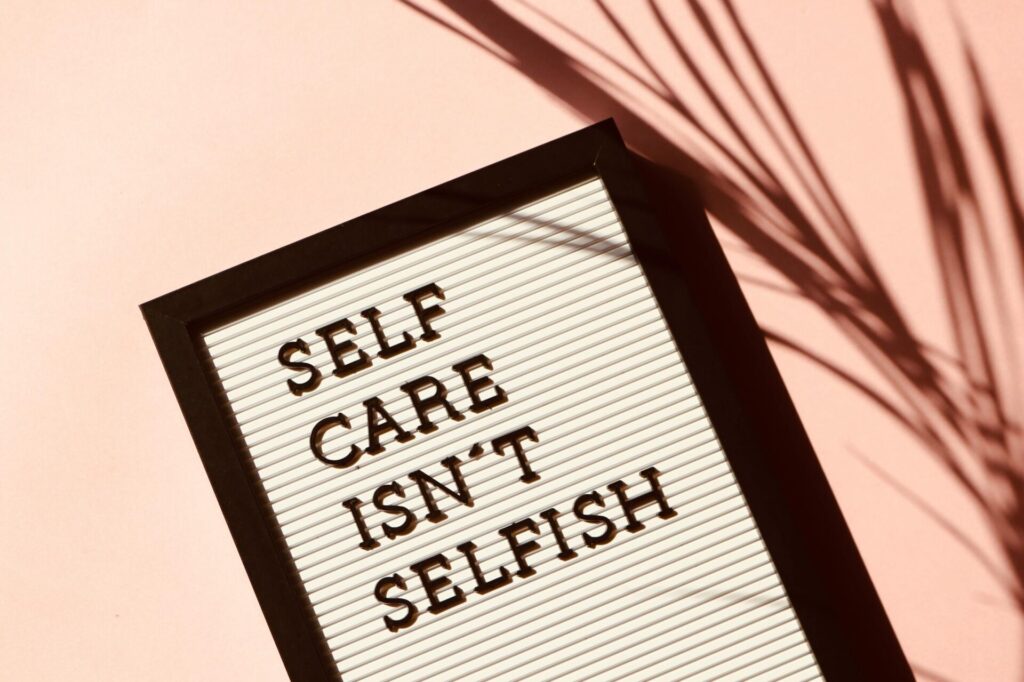
The future of men’s mental health depends on continued investment, inclusive policies, and courageous advocacy. It requires us to dismantle stigma, reimagine care models, and ensure that no man feels he must suffer in silence. Supporting men’s mental health is not just about preventing tragedy—it’s about unlocking human potential, restoring families, and building healthier societies.
By recognizing the unique experiences and challenges faced by men, and by creating spaces where emotional well-being is prioritized, we can turn this cultural shift into a permanent transformation. The path forward is clear: listen, invest, support, and never stop pushing for a world where every man knows it’s not only okay to ask for help—it